
Introduction
In today’s advanced industrial landscape, drawing inspiration from nature—known as bionic or biomimetic design—has emerged as a powerful method for enhancing engineering efficiency and sustainability. German company ZIEHL-ABEGG, a global leader in ventilation and drive technology, has embraced this approach to create a new generation of fans that combine natural design principles with cutting-edge engineering.
What is Bionic Design?
Bionic design refers to the imitation of natural structures and mechanisms in technical systems. It allows engineers to leverage millions of years of natural evolution to optimize performance, efficiency, and durability in mechanical designs.
Nature-Inspired Fan Blade Geometry
ZIEHL-ABEGG has studied and replicated certain natural forms to improve fan performance, including:
-
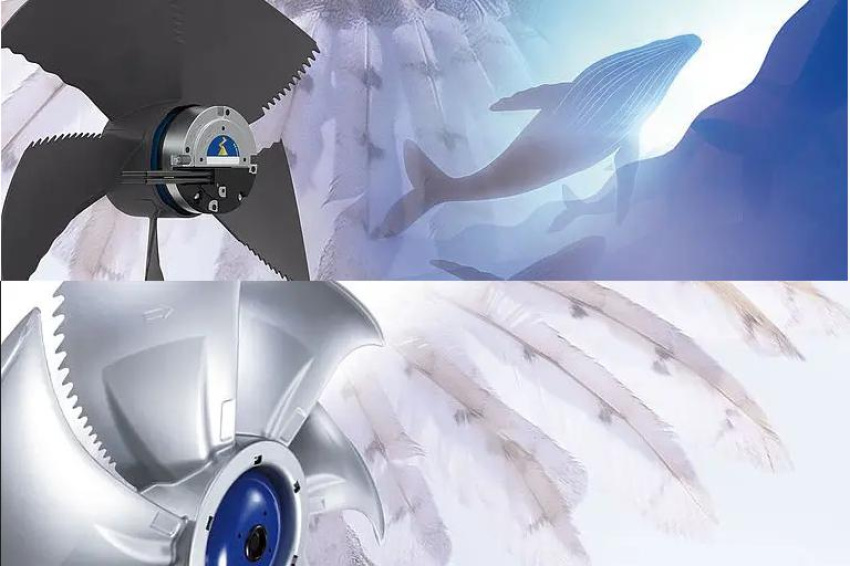
Owl Wing (Silent Flight): The fan blades are shaped with serrated trailing edges, mimicking owl wings that allow for nearly silent flight. This innovation significantly reduces sound emissions.
-
Humpback Whale Fins: The unique tubercles (bumps) on whale fins inspired the curved and contoured edges of ZIEHL-ABEGG blades, enhancing airflow and reducing drag.
Benefits of ZIEHL-ABEGG Bionic Fans
✅ Low Noise Levels: The bionic blade structure leads to noticeably quieter operation, ideal for sensitive environments like hospitals, offices, or residential buildings.
✅ Higher Efficiency: The aerodynamic profile of the blades increases airflow capacity with minimal energy consumption.
✅ Energy Saving: Due to enhanced performance, these fans consume less electricity and meet top European energy efficiency standards.
✅ Longer Lifespan: High-quality materials and reduced mechanical stress ensure longer operational life with less maintenance.
Conclusion
ZIEHL-ABEGG’s use of bionic design in fan development showcases its commitment to innovation, sustainability, and operational excellence. By combining the wisdom of nature with the precision of modern engineering, the company has created fans that are quieter, more efficient, and more environmentally friendly.
This approach is a testament to how biomimicry can lead the future of ventilation systems, proving once again that nature is the best engineer.